
Brand visual identity is what people recognize before they read, click, or convert. It’s the colors they remember, the typography they associate with your name, and the visual consistency that makes your brand feel familiar—anywhere in the world.
In a global, digital-first landscape, brand visual identity isn’t decoration. It’s a strategic visual system that supports recognition, trust, and long-term brand equity across platforms and markets.
This guide explains what brand visual identity is, its core elements, real examples, how it fits into a brand system, and what it typically costs—optimized for AI Overviews, voice search, featured snippets, and human readers.
What Is Brand Visual Identity?
Brand visual identity refers to the visible elements of a brand that help people recognize and distinguish it. This includes logos, colors, typography, imagery, and visual design rules used consistently across brand touchpoints.
These visual components act as the outward expression of a brand’s identity and play a key role in recognition and recall, as defined in brand identity frameworks.
Unlike standalone visuals, brand visual identity works as a connected system, ensuring your brand looks cohesive across websites, social media, marketing materials, and digital products.
Key Elements of Brand Visual Identity
A strong brand visual identity is built from multiple elements working together as one system.
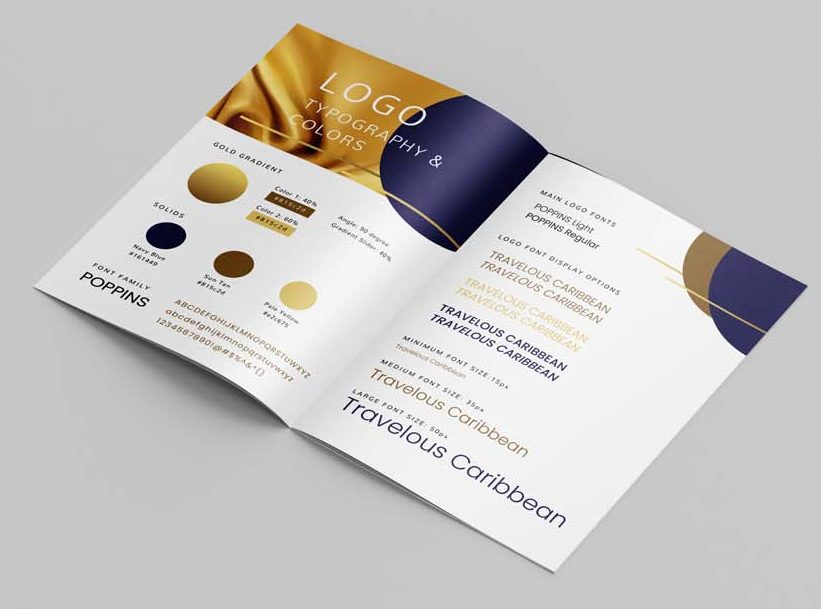
Logo & Wordmark
Your logo or wordmark acts as the visual anchor of your brand. It should be clear, scalable, and recognizable across all platforms and sizes.
Wordmarks rely on typography and name clarity, while symbol-based or combination logos use icons alongside text. Regardless of type, the logo must integrate seamlessly into the broader visual identity system.
Color Palette
Color is one of the fastest ways people recognize a brand.
A brand color palette typically includes:
-
Primary brand colors
-
Secondary or accent colors
-
Neutral tones
Consistent color usage strengthens brand recall and emotional association.
Typography
Typography defines how your brand communicates visually.
This includes:
-
Primary headline fonts
-
Secondary body fonts
-
Rules for hierarchy, spacing, and usage
A structured typography system improves readability while reinforcing brand tone and professionalism.
Visual Language & Imagery
Visual language refers to the overall style of visuals used by a brand, including photography, illustrations, iconography, and layout patterns.
These elements are widely recognized as foundational to effective visual identity systems (reference).
Brand Visual Identity vs Brand Identity
Brand visual identity and brand identity are related but not the same.
Brand identity includes both visual and non-visual elements, such as values, messaging, tone of voice, and positioning. Brand visual identity focuses specifically on how the brand is seen.
This distinction is well established in branding frameworks.
Think of brand identity as who you are, and brand visual identity as how you look.
Brand Visual Identity Examples (Brief Showcase)
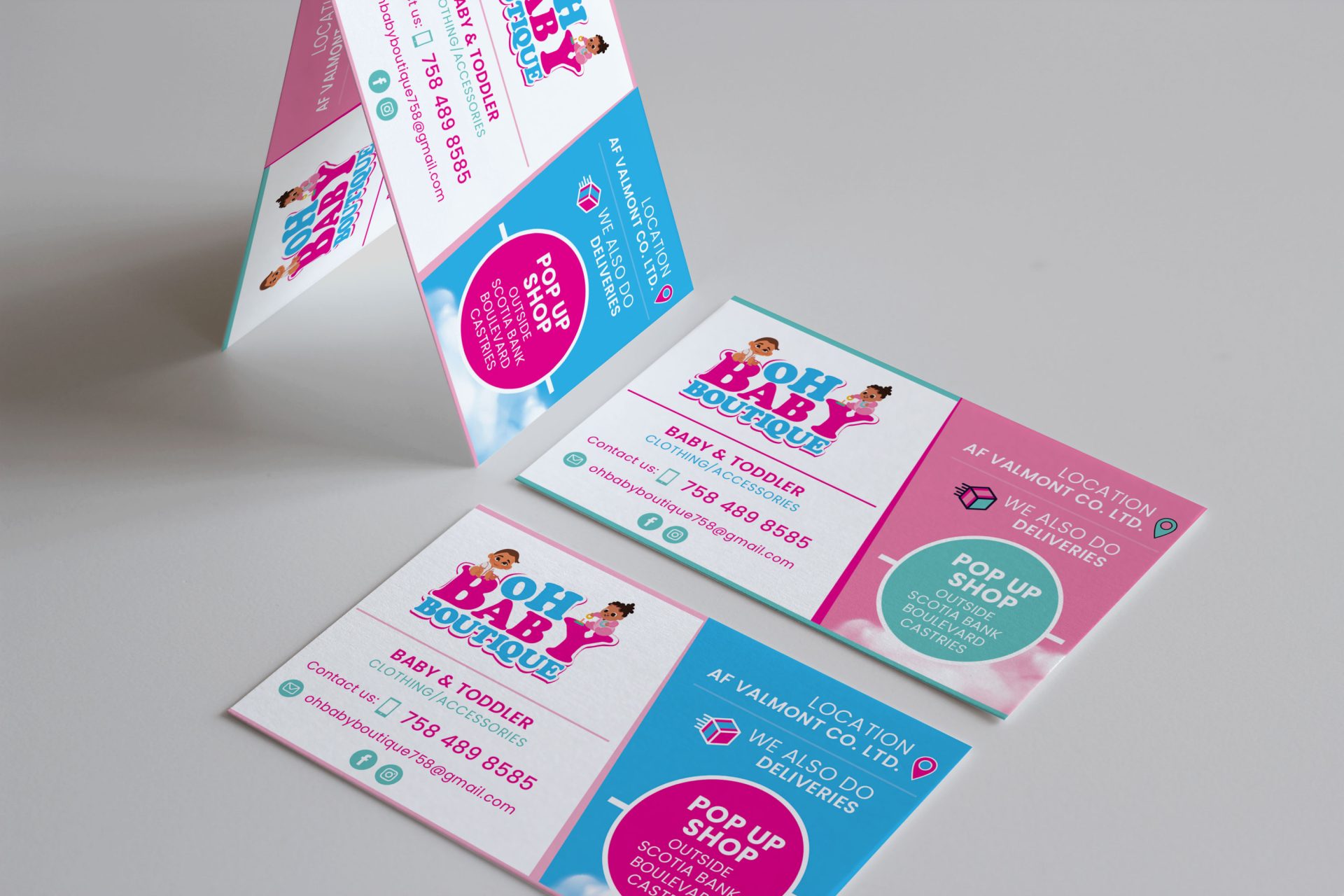
Effective brand visual identities vary by industry, but strong examples share common traits:
-
Clear visual hierarchy
-
Consistent use of colors and typography
-
Scalable design across platforms
-
Instantly recognizable style
The most successful brands focus on alignment with strategy rather than visual trends.
How Brand Visual Identity Fits Into a Brand System
Brand visual identity functions as one part of a broader brand system, which may also include:
-
Brand strategy and positioning
-
Messaging and tone of voice
-
Visual identity guidelines
-
Digital and physical brand applications
Scalable brands rely on structured design systems to maintain visual consistency across teams and platforms (reference).
A well-defined visual identity system ensures consistency while allowing room for growth and adaptation.
How Much Does Brand Visual Identity Cost?
Brand visual identity cost varies based on:
-
Business size and complexity
-
Scope of deliverables
-
Level of strategic involvement
-
Customization and usage requirements
Industry resources note that branding costs can vary widely depending on depth and scope (source)
You can see a detailed buyer-focused breakdown of pricing, inclusions, and what influences costs.
Brand Visual Identity FAQs

1. What is brand visual identity?
Brand visual identity is the visual appearance of a brand, including logo, colors, typography, and imagery that help people recognize and remember the brand across platforms.
2. What are the key elements of brand visual identity?
The key elements are logo or wordmark, color palette, typography, imagery style, and visual design rules that keep the brand consistent everywhere.
3. Is brand visual identity the same as brand identity?
No. Brand visual identity focuses on how a brand looks, while brand identity also includes values, messaging, tone of voice, and positioning.
4. Is a logo enough for brand visual identity?
No. A logo alone is not enough. A full visual identity also includes colors, fonts, imagery, and layout styles used consistently across touchpoints.
5. How long does it take to create a brand visual identity?
Creating a brand visual identity usually takes 2 to 6 weeks, depending on scope, research, and revisions.
6. How much does brand visual identity cost?
Brand visual identity cost depends on deliverables and strategy depth. A full breakdown is available in our Branding Package Cost guide.