
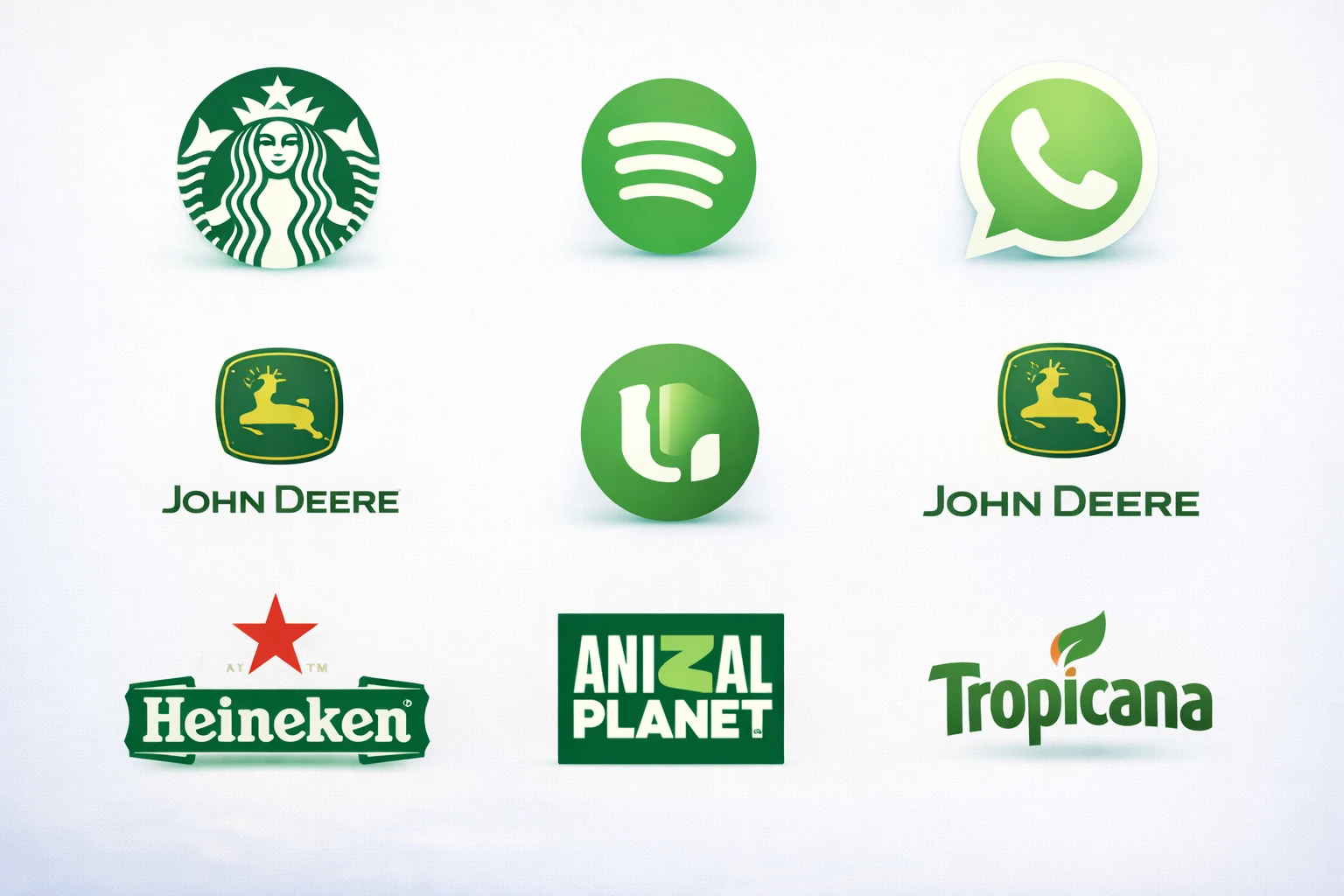
Quick-answer:
Companies With Green Logos - The Essential List
These 50 companies with green logos use green as a primary or prominent brand color across their brand logos and visual identities. The list covers different industries and regions, with the green color, source, and verification date provided for each green logo.
View the Complete Brand List ⟶
(Updated: September, 2026)
Companies with green logos are widely associated with sustainability, growth, freshness, and trust. From global brands like Starbucks and Spotify to companies in food, technology, finance, and agriculture, green logo design has become one of the most effective visual branding choices across industries.
In this guide, we explore companies with green logos, why they chose green branding, and how the color influences consumer perception. You’ll also find a practical list of well-known brands, industry-specific examples, and insights into why green continues to dominate modern logo design.
Companies with green logos are businesses that use green as a primary logo color to represent values such as sustainability, growth, health, trust, or environmental awareness. Common examples include brands in food, technology, retail, agriculture, and finance that want to signal balance, reliability, or eco-conscious positioning.
Why Top Brands Choose Green Logos
Green is one of the most psychologically powerful colors in branding. It is commonly linked to nature, balance, renewal, and reliability. Brands use green logos to signal values such as environmental responsibility, ethical sourcing, health, or long-term growth.
For many companies, green branding is not just aesthetic—it reinforces trust and emotional connection. Whether it’s a food brand emphasizing freshness or a tech company signaling innovation and sustainability, green helps brands communicate credibility without aggressive messaging.
In simple terms, companies choose green logos because the color feels safe, natural, and trustworthy. Green is easy on the eyes, creates a calming effect, and helps brands appear reliable and long-term focused rather than aggressive or sales-driven.
Common reasons companies use green logos include:
Representing sustainability or environmental responsibility
Signaling growth, renewal, and progress
Emphasizing health, wellness, or freshness
Building trust and long-term credibility
Connecting the brand to nature or balance
Companies With Green Logos: The Essential List
Download the Complete Brand List
Download the complete 50-brand dataset in CSV or JSON format for easy reference, analysis, and reuse.CSV → download CSV, JSON → download JSON
Top 15 Green Logo Brands
These companies with green logos show how brand logos can use green to create recognition, communicate personality, and stand out across different industries. The green logos below represent brands from technology, food and beverage, retail, fashion, agriculture, energy, and nonprofit sectors, with their green colors and color references included for comparison.
Verification: Brand names, green logo usage, and color references were reviewed against available official brand resources and reputable brand-color references. Last verified: September, 2026.
Brand | Industry | Region | Green HEX |
|---|---|---|---|
Food & Beverage | Global | #00704A | |
Technology / Media | Global | #1DB954 | |
Communication | Global | #25D366 | |
Agriculture | Global | #367C2B | |
Beverage | Global | #008200 | |
Fashion | Global | #004526 | |
E-commerce | Global | #008060 | |
Technology | Global | #76B900 | |
Food & Beverage | Global | #008C45 | |
Education / Technology | Global | #58CC02 | |
Gaming | Global | #107C10 | |
Transportation / Technology | Southeast Asia | #00B14F | |
Transportation / Technology | Southeast Asia | #00AA13 | |
Nonprofit | Global | #00A651 | |
Retail / Grocery | U.S. / Global | #00674B |
Full 50-Brand Master List
Looking beyond the most recognizable examples, these additional companies with green logos show how green is used across a wider range of industries and markets. Together with the Top 15 above, this master list provides a broader reference for comparing brand logos, industries, regions, and green color choices.
Verification: Brand names, green logo usage, and color references were reviewed against available official brand resources and reputable brand-color references. Last verified: September 2026.
Brand | Industry | Region | Green HEX |
|---|---|---|---|
Food & Beverage | Global | #009B4D | |
Productivity Software | Global | #00A82D | |
Automotive | Global | #005A2B | |
Streaming / Media | U.S. | #1CE783 | |
Digital Services | Global | #1DBF73 | |
Freelancing / Technology | Global | #14A800 | |
Grocery / Retail | U.S. | #2A783A | |
Health & Nutrition | Global | #7AB929 | |
Gaming Hardware | Global | #44D62C | |
Finance / Fintech | U.S. | #00C805 | |
Beverage | Global | #B1FC02 | |
Beverage | Global | #00A752 | |
Retail | Global | #007A3D | |
Beverage | Global | #00321E | |
Banking / Finance | North America | #54B848 | |
Hospitality | Global | #1D6247 | |
Technology | Global | #83B81A | |
Travel / Technology | Global | #34E0A1 | |
Business Software | Global | #2DBE60 | |
Accounting Software | Global | #2CA01C | |
Finance / Fintech | U.S. / Global | #00D632 | |
Retail / Grocery | U.K. | #68A51C | |
Energy | Global | #009A44 | |
Search / Technology | Global | #008009 | |
Food / Agriculture | Global | #009639 | |
Nonprofit | U.S. | #00B451 | |
Beverage | Global | #00452A | |
Hospitality | India | #0EB550 | |
Grocery / E-commerce | India | #A6CE39 | |
Telecommunications | U.S. | #78A78D | |
Telecommunications | U.S. | #60A82C | |
Food / Agriculture | U.S. / Global | #8FCF99 | |
Retail | U.K. | #003B25 | |
Automotive / Motorcycles | Global | #00A651 | |
Transportation / Mobility | Global | #00D084 |
Why These Brands Use Green
Here are 20 examples of companies with green logos that show how different shades of green can shape a brand’s visual identity. From deep, natural greens to bright, energetic tones, these brands with green logos use color strategically to communicate qualities such as freshness, growth, trust, sustainability, and innovation.
Examples of famous brands that use green logos for trust and sustainability.
20 Brand Design Examples
- Starbucks — Deep green creates a distinctive, recognizable identity while reinforcing natural, fresh, and premium associations.
- Spotify — Bright green gives the brand an energetic, digital-first look with strong visual contrast.
- WhatsApp — A vibrant green creates an approachable, recognizable identity that feels connected and active.
- John Deere — Dark green connects the logo directly to agriculture, land, and the outdoors.
- Heineken — Green gives the brand a fresh, confident appearance while reinforcing its long-established visual identity.
- Lacoste — Deep green adds heritage and sophistication, making the crocodile mark feel distinctive and premium.
- Shopify — Green creates a modern, approachable identity associated with growth and entrepreneurship.
- NVIDIA — Bright green provides strong visual differentiation and gives the technology brand an energetic, high-performance feel.
- Subway — Green supports associations with freshness and natural ingredients while working effectively with the brand's yellow.
- Duolingo — Bright green creates a playful, friendly visual identity that feels energetic and approachable.
- Xbox — Strong green provides immediate visual recognition and gives the gaming identity a bold digital presence.
- Greenpeace — Green directly reinforces the organization's environmental positioning and connection to nature.
- Whole Foods Market — Deep green communicates natural, organic, and health-focused positioning.
- Tropicana — Green supports the brand's fresh, fruit-oriented visual language and natural positioning.
- Land Rover — Dark green works naturally with the brand's outdoor, exploration, and rugged-premium positioning.
- Razer — Neon green creates an aggressive, high-energy visual identity that stands out strongly in gaming.
- Robinhood — Bright green gives the fintech brand a clean, modern appearance and reinforces associations with financial growth.
- Monster Energy — Lime green creates maximum visual impact, helping the brand communicate intensity and energy.
- Carlsberg — Deep green gives the identity a traditional, premium feel while reinforcing its connection to heritage and quality.
- Ecosia — Green makes the environmental purpose immediately visible and strengthens the brand's nature-focused identity.
✦ Real-Business companies with Green Branding
These real-business branding examples show how green can be carried beyond the logo into business cards, stationery, brand guidelines, and other customer-facing materials. From fresh and approachable combinations to more refined green palettes.
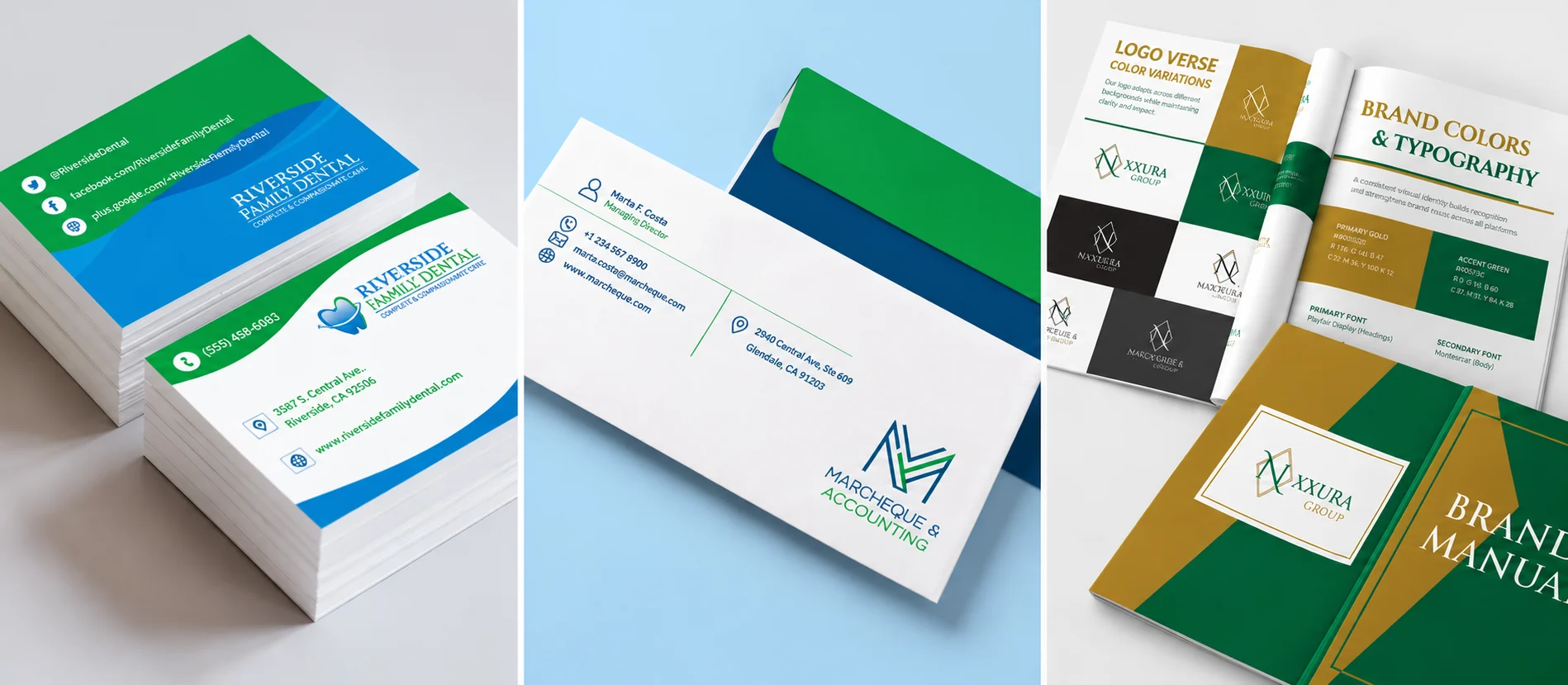
Curated green logo branding examples from the KM Digital Creatives portfolio, showcasing different branding assets including business cards, envelopes and style guides.
Need Similar Green Branding for Your Business?
If you're looking to build a professional brand identity around green—or need help choosing the right shade, supporting colors, typography, and applications—we can help create a cohesive visual system for your business. Contact Us →
People Also Ask: Companies With Green Logos
1. What are some well-known companies with green logos, and what do those logos communicate at a glance?
Well-known companies with green logos include Starbucks, Spotify, WhatsApp, John Deere, Heineken, Lacoste, Shopify, NVIDIA, Subway, Duolingo, Xbox, and Greenpeace. Green can communicate freshness, growth, nature, trust, energy, sustainability, or innovation depending on the shade and overall logo design.
2. How can I compare brands with green logos to see which ones feel more modern, natural, or premium?
Compare the shade of green, typography, logo shape, contrast, and supporting colors. Bright greens often feel energetic and modern, while deeper greens can create a more natural, established, or premium impression.
3. How do I find brands with green logos that feel eco-friendly, premium, or playful?
Look at both the green shade and the way it is combined with typography and other visual elements. Natural or muted greens often support eco-friendly positioning, deep greens can feel premium, and bright greens can create a playful or energetic identity.
4. What are the best ways to analyze brands with green logos and understand the feelings they create?
Start by comparing the green hue, saturation, brightness, typography, symbols, and color combinations. Then consider how these elements work together to create impressions such as freshness, trust, sustainability, energy, sophistication, or growth.
5. What are the best ways to find inspiration from companies with green logos when I want a fresh logo direction?
Study how established brands use different green shades, typography, symbols, and supporting colors. Instead of copying a logo, identify the visual principles that work—such as high contrast, distinctive typography, or a specific green palette—and adapt those ideas to your own brand.
6. Can you compare a few companies with green logos and explain how the shade of green changes the overall impression?
Yes. Starbucks' deep green feels natural, established, and premium; Spotify's bright green feels energetic and digital; NVIDIA's vivid green feels technological and high-performance; and Lacoste's dark green feels traditional and sophisticated. The shade significantly changes how the same basic color is perceived.
7. What is the difference between a green logo and green branding?
A green logo uses green as part of the logo itself, while green branding extends the color into the wider visual identity, including color palettes, typography, stationery, packaging, websites, and other brand applications. A green logo can therefore be one part of a broader green branding system.

Showcasing Green branding example of a Tibetan book brand from KM Digital Creatives Portfolio.
8. Where can I look for brands with green logos that use color well without making the design feel too busy?
Start with established brand identities, design portfolios, and curated logo galleries. Focus on examples where green is supported by simple typography, strong contrast, and a limited color palette, rather than designs that rely on many competing colors.
Green Branding in Practice
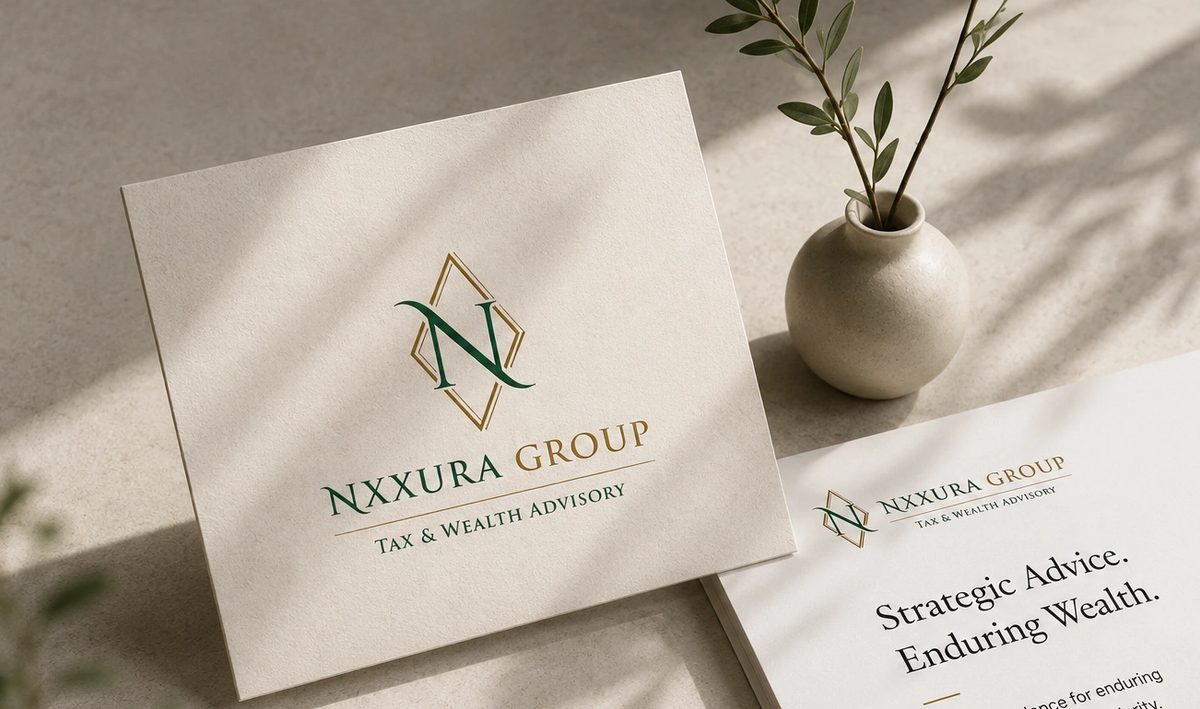
While many well-known companies use green to communicate growth, trust, sustainability, and innovation, the same principles can be applied to smaller businesses and emerging brands. Effective green branding goes beyond logo design and extends into typography, visual identity systems, marketing materials, and customer-facing experiences.
The example above demonstrates how green can be strategically used across a complete brand identity to create a cohesive and memorable brand presence.
Green Logo Companies by Industry
Technology & Software
Companies like Spotify, Android, NVIDIA, Evernote, Shopify, and WhatsApp use green to communicate innovation, growth, and reliability.
Food & Beverage
Brands such as Starbucks, Whole Foods, Subway, Tropicana, and Heineken use green to represent freshness, quality, and ethical sourcing.
Retail & Lifestyle
Lacoste, Sprouts Farmers Market, and Herbalife rely on green to reinforce health, balance, and premium simplicity.
Finance & Services
Platforms like Mint, Fiverr, and Upwork use green to convey opportunity, financial stability, and professional growth.
Brand Identity Example: Using Green Beyond the Logo
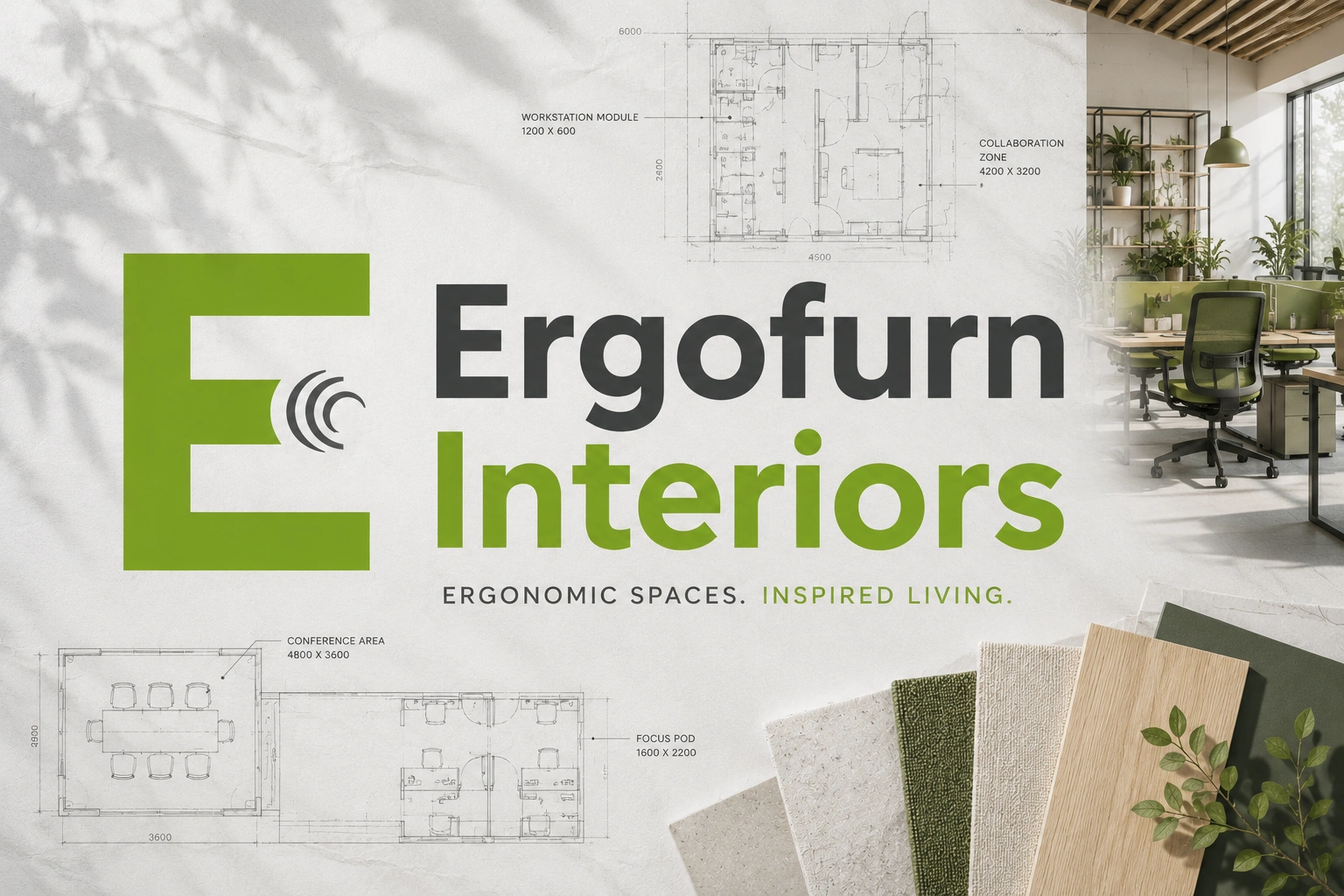
Green works best when it’s integrated throughout the brand system—not just the logo. In this branding project, green was used across visual identity elements to reinforce trust, growth, and recognition across multiple customer touchpoints.
The Psychology Behind Green Logos
Green is associated with balance, safety, and renewal. From a psychological perspective, green reduces anxiety and increases trust, which is why many brands use green logos to appear dependable, people-focused, and long-term oriented.
Key psychological associations include:
Environmental awareness
Health and wellness
Calmness and stability
This is why green logos are especially common in industries tied to sustainability, food, health, and long-term services.
Green Logo Design Trends (Modern and Ongoing)
Modern green logo trends focus on:
Minimalist design with flat green tones
Nature-inspired symbols (leaves, trees, organic shapes)
Muted or darker greens for premium positioning
Combination with white or black for contrast and clarity
Brands are moving away from bright neon greens and toward more refined, earthy tones.
Quick answer:
Green logos are effective because the color naturally signals trust, balance, and growth, helping brands connect with consumers on an emotional and psychological level.
Eco-Friendly Branding Strategies
Successful companies with green logos understand that branding goes beyond visual appearance. Eco-friendly branding strategies include:
Using sustainable design concepts
Maintaining consistent green branding across digital platforms
Promoting environmental values in marketing communication
Supporting sustainable business practices and eco-aligned brand messaging
When these strategies align, companies with a green logo strengthen credibility, customer confidence, and green brand trust signals.
Key Takeaways
Companies with green logos often emphasize trust, sustainability, and growth
Green branding works across industries—from tech to food to finance
The most effective green logos pair simplicity with strong brand values
Green remains one of the most versatile and future-proof logo colors
FAQs
What are companies with green logos?
Companies with green logos are businesses that use green as the main logo color to communicate sustainability, growth, health, trust, or environmental awareness.
Why do brands use green logos?
Brands use green logos because the color builds trust, signals balance, and connects strongly with nature and wellness.
Are green logos effective for branding?
Yes. Green logos are effective because they create emotional comfort, communicate ethical values, and work well across global markets.
Do green logos always mean sustainability?
Not always. While green often suggests sustainability, some brands use it to represent growth, freshness, or innovation rather than environmental positioning alone.
Conclusion
Companies with green logos continue to stand out in today’s competitive market by combining visual identity with trust, sustainability, and long-term brand purpose. As consumers become more value-driven, green branding plays an increasingly important role in shaping perception and loyalty.
From startups to established enterprises, brands with green logos use color strategically — not just to look appealing, but to communicate responsibility, credibility, and future readiness. When applied thoughtfully, a green logo becomes more than design — it becomes a signal of what a brand stands for.
This article is produced by KM Digital Creatives, a branding and design studio specializing in logo analysis, brand identity, and visual strategy.